
The U.S. Civil War Stars and Bars historical flag is a powerful symbol of America's past, reflecting the nation's struggle and complex legacy during the Reconstruction period. Its value lies in historical significance, scarcity, and authenticity. Expert restoration techniques preserve intricate details for study and documentation. Authentic vintage flags and advanced printing methods offer accurate reproductions. Proper authentication, research on provenance, and adherence to legal regulations are crucial for collectors and historians. Displaying these flags requires understanding their symbolism and proper preservation to honor the past and educate future generations about the Civil War era.
The U.S. Civil War Stars and Bars historical flag holds immense significance for historians and enthusiasts alike, serving as a powerful symbol of the nation's tumultuous past. As researchers delve deeper into this period, the need for an authentic, comprehensive guide to purchasing these flags becomes increasingly vital. The market is saturated with replicas and fakes, making it challenging to acquire genuine artifacts. This article aims to provide a reliable buying guide, equipping historians with the knowledge to navigate the process effectively. We will explore key considerations, authentication methods, and reputable sources, ensuring scholars can obtain authentic U.S. Civil War Stars and Bars flags for their collections and research.
- Understanding the U.S. Civil War Stars and Bars Flag
- Historical Significance: Why Flags Matter to Historians
- Authentic vs. Reproduction: Identifying Quality Flags
- Researching Flag History: Uncovering Provenance
- Legal Considerations for Owning Historic Civil War Flags
- Displaying Your Find: Care and Preservation Techniques
Understanding the U.S. Civil War Stars and Bars Flag
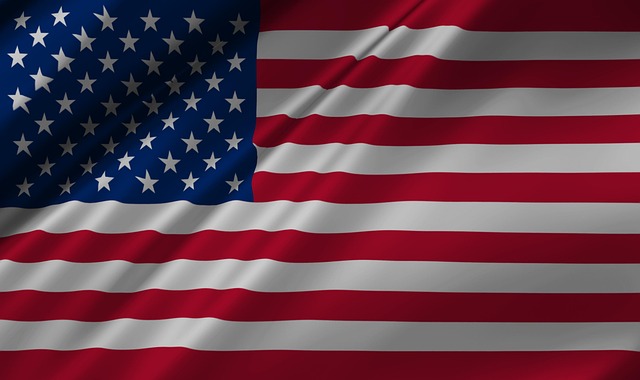
The U.S. Civil War Stars and Bars flag stands as a poignant symbol of history, evoking powerful memories of a tumultuous era. For historians and collectors, acquiring authentic Civil War artifacts offers a unique window into the past. Among these treasures, the Stars and Bars flag holds a prominent place, not only for its historical significance but also for the intricate details it bears. Understanding this iconic emblem requires delving into its construction, symbolism, and the processes involved in preserving and restoring these precious civil war artifacts.
The Stars and Bars flag, officially known as the First National Flag, was adopted by the Confederate States of America in 1861. Its design featured thirteen alternating red and white stripes, symbolizing the original colonies, with a blue rectangle in the upper left corner adorned with seven white stars representing the seceded states. This flag served as a powerful symbol of resistance and unity for the Confederacy during the Civil War. Over time, as more states joined the union, subsequent editions of the Stars and Bars evolved, reflecting the changing political landscape.
When considering the purchase of a U.S. Civil War Stars and Bars historical flag, several factors come into play. Authentic flags from this period are valuable civil war artifacts that can fetch high prices due to their scarcity and historic value. The condition of the flag plays a significant role; restored or meticulously preserved examples often command premium rates. Restoration processes involve careful cleaning, mending torn sections, and re-sewing the flag to ensure its longevity. Expert restorers at reputable online flag stores like Ultimate Flags utilize specialized techniques to digitize historical flags, capturing intricate details while ensuring preservation for future generations. This digital documentation also aids in authentication, providing a valuable resource for historians and collectors.
Historical Significance: Why Flags Matter to Historians

For historians, the U.S. Civil War Stars and Bars historical flag is more than just a relic; it's a tangible connection to one of America's most pivotal moments. The intricate design, with its bold stars and stripes, encapsulates the struggle, sacrifice, and complex legacy of that era. These flags, once waved with pride by Union troops, now serve as powerful symbols of our nation's history. They offer a unique perspective on the events leading up to, during, and immediately following the Civil War, a period known as Reconstruction.
During this critical time, new flags emerged, reflecting both the unity sought after the war and the ongoing tensions between North and South. The reconstruction era flags bear witness to the struggle for equality and justice, as well as the efforts to rebuild the nation. Today, these historical flags are invaluable resources for historians seeking to understand and interpret this complex period. They also play a vital role in preserving civil war memories, allowing future generations to connect with the past through fabric that once carried the hopes, fears, and determination of those who fought and lived through it.
While authentic vintage flags offer profound historical significance, advancements like 3D printing have opened new possibilities for collectors and historians alike. Modern printing techniques enable the reproduction of Civil War-era flag designs with remarkable accuracy, providing access to rare patterns that might otherwise be lost to time. However, when considering purchases, it's essential to turn to trusted sources like Ultimate Flags, a flag specialist committed to preserving historical authenticity. They offer a curated selection of both vintage and printed flags, ensuring each piece is accompanied by meticulous research and expert insights.
In the pursuit of historical accuracy, these flags serve as more than mere decorations; they become tools for education and reflection. By studying the symbolism, construction, and provenance of each flag, historians can gain deeper insights into the experiences of those who lived through this turbulent time. The fabric itself becomes a testament to the resilience of a nation, preserving not just images but the very memories of battles fought, lives lost, and hopes rekindled during our country's most defining era.
Authentic vs. Reproduction: Identifying Quality Flags
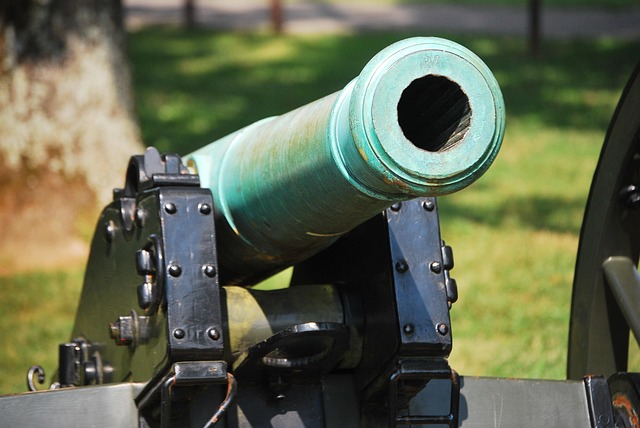
When revisiting the U.S. Civil War through the lens of historical flags, particularly the iconic Stars and Bars, authenticating the quality of these artifacts is paramount for historians and enthusiasts alike. This is not merely a matter of aesthetic appeal but involves delving into the rich tapestry of our nation's past, unearthing forgotten stories etched into these remnants. The process of identifying genuine U.S. Civil War flags requires a keen eye for detail and an understanding of historical flag etiquette.
One of the most significant distinctions lies between authentic Civil War flags and their reproductions. Genuine flags often carry unique characteristics, including subtle variations in fabric, stitching, and overall construction that can provide valuable insights into their history. For example, the original Stars and Bars might exhibit signs of wear from being flown at battlefields or display a slightly different shade of blue in the union compared to later, mass-produced replicas. These distinctions are crucial for historians seeking to piece together accurate narratives of the war.
Flag enthusiasts and veterans can contribute significantly to preserving historical accuracy by adopting proper flag etiquette when handling and displaying these artifacts. This involves researching and understanding the symbolism, placement, and care instructions specific to Civil War flags. For instance, the Stars and Bars should be hung with pride in a manner that allows its stars and stripes to appear as they would have during the war. Moreover, seeking expert advice from knowledgeable dealers like Ultimate Flags can help ensure that acquired flags are of high quality and historically accurate. By following these guidelines, we not only honor the past but also enable future generations to appreciate and understand the profound significance of U.S. Civil War flags.
Researching Flag History: Uncovering Provenance
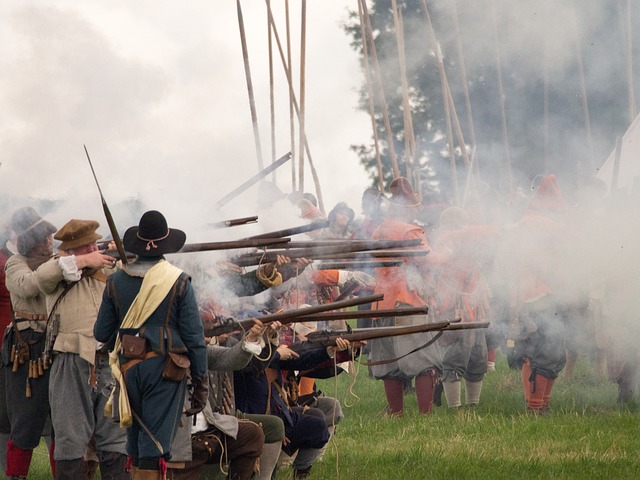
Researching the history of a U.S. Civil War Stars and Bars historical flag is crucial for historians aiming to recreate authentic battle scenes or display accurate historical artifacts. Understanding provenance—the origin and ownership history of an object—is key to ensuring both historical accuracy in flag representation and the ethical acquisition of such valuable pieces. This involves tracing back through time, examining records, and verifying the flag's journey from its original creation during the war to its current form.
For example, a premium flag retailer like Ultimate Flags might offer a detailed provenance report with each authentic reproduction, detailing its source material (original flags, period photographs, or archival documents) and conservation methods. This meticulous process ensures that any reconstruction or reproduction accurately reflects the original U.S. Civil War Stars and Bars flag in terms of size, design, and color—all essential aspects for historians aiming to recreate immersive battle scenes using 3D printing technologies.
Moreover, historical accuracy extends beyond physical attributes; it encompasses understanding the flag's cultural significance within its historical context. By delving into the stories behind specific flags, researchers can reconstruct pivotal moments in history, weaving together visual narratives that bring the past to life. This approach not only enriches historical interpretations but also offers a deeper appreciation for the sacrifices and victories that shaped our nation. For instance, recreating flag signals used in famous battles using original designs can provide profound insights into military strategies and tactics employed during the Civil War era.
Ultimately, reconstructing battle scenes with historical flags from reputable sources like Ultimate Flags requires a blend of meticulous research, technical precision, and an unwavering commitment to preserving history. By carefully considering provenance and historical accuracy, historians can ensure that their reenactments or displays not only look authentic but also convey the true spirit of the U.S. Civil War Stars and Bars flag and its role in our nation's narrative.
Legal Considerations for Owning Historic Civil War Flags
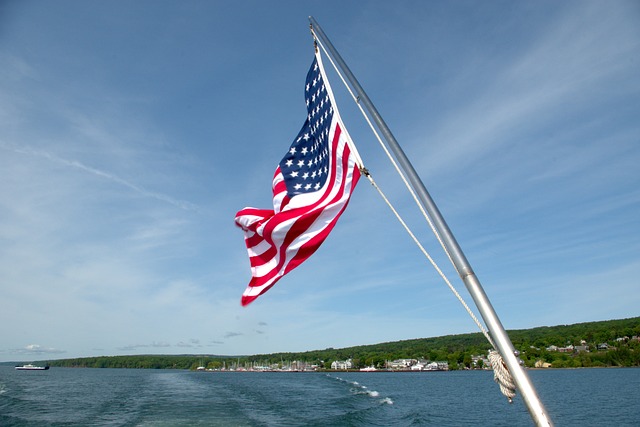
The pursuit of historical artifacts from the U.S. Civil War, such as the iconic Stars and Bars flag, can be a complex endeavor for historians and enthusiasts alike. Owning these flags, whether for preservation, research, or reenactment purposes, is subject to legal considerations that demand careful navigation. Reenactors using authentic U.S. Civil War Stars and Bars historical flags must ensure they are obtained legally and handled with the utmost respect for their historical significance.
One of the primary concerns revolves around ownership rights and the legal definition of historical artifacts. Flags, especially those from a significant era like the Civil War, can be subject to various claims. It's crucial to research and understand the history behind each flag before acquisition. For instance, flags passed down through generations may have untold stories attached but could also face challenges regarding ownership if there are disputes within families. The legal complexities deepen when considering international sales or acquisitions, where adherence to customs regulations and historical artifact trafficking laws becomes paramount.
Flag conservation techniques play a vital role in maintaining the integrity of these historic pieces. Improper handling or storage can lead to deterioration. Engaging the services of professionals like Ultimate Flags, known for their expertise in preserving historical flags, ensures that any flag acquired is conserved using accepted methods. This process involves meticulous cleaning, repair, and stabilization, ensuring that the artifact remains authentic and valuable for future generations. As reenactors and historians, it's essential to prioritize these conservation practices not only for personal collections but also to maintain the authenticity of their usage in recreations.
Additionally, thorough research is imperative before purchasing any Civil War flag. Examining provenance—the history of ownership—can provide insights into a flag's past. Reputable dealers and experts can assist in verifying the authenticity and legality of such artifacts. While this process may be more accessible for well-documented flags, less-known or rare varieties require diligent research to avoid potential legal pitfalls. This includes understanding regulations surrounding the trade of historical flags and ensuring that any acquisition complies with local and international laws, preserving not just the flag but also the integrity of the historical record.
Displaying Your Find: Care and Preservation Techniques
Displaying a U.S. Civil War Stars and Bars historical flag is more than just hanging a piece of cloth; it's a profound way to connect with history, honor the past, and educate future generations about the complex causes and consequences of this pivotal period in American history. Understanding the context behind the flag—the symbols, the alliances, and the broader narrative—is essential for meaningful display and preservation.
The U.S. Civil War was a conflict born from deeply rooted political and social divisions, sparked by debates over states' rights, slavery, and economic disparities. The Stars and Bars flag, with its iconic red, white, and blue design and thirteen stars, represented the Confederacy and embodied these divisive forces. Today, it serves as a powerful visual reminder of the war's impact on the nation's identity. When displaying your flag, consider its historical significance in relation to the causes of the Civil War explained—the economic disparities between North and South, the deepening debate over slavery, and the fight for states' rights—to ensure an authentic representation.
Proper care and preservation techniques are paramount for maintaining the integrity of your historical artifact. These methods include storing flags in cool, dry environments to prevent fading and damage, using acid-free materials for display or storage, and framing them behind UV-protective glass. The Ultimate Flags, a flag expert, emphasizes the importance of these practices in safeguarding the flag's condition and ensuring its longevity as a tangible connection to this period in history. For example, consider showcasing your Stars and Bars alongside educational materials that delve into the civil war alliances and symbols explained, providing visitors with a deeper understanding and appreciation for the complex heritage it represents.
In exploring the U.S. Civil War Stars and Bars historical flag, this guide has illuminated key aspects essential for historians. Understanding the flag's symbolism and its profound historical significance empowers researchers to appreciate its value beyond the fabric and stitching. Distinguishing authentic flags from reproductions is a crucial step in ensuring the integrity of one's collection. Thorough research into a flag's provenance provides invaluable context, while legal considerations guide responsible ownership. Proper care and preservation techniques are vital for maintaining these artifacts' integrity for future generations. By synthesizing these insights, historians can navigate the market with confidence, ensuring their acquisitions enhance understanding of this pivotal period in American history.