The U.S. Civil War Stars and Bars historical flag is a symbol of America's history, demanding proper preservation to honor the fallen and educate future generations. Digitizing ensures authenticity while conservation methods like acid-free materials and light protection are crucial. Curating museum displays combines traditional craftsmanship with modern tech, using 3D printing for precise reproduction and natural fibers for authenticity. Accurate representation is vital for historical integrity, involving meticulous research and expert restoration to tell the era's story. Strategic design techniques, proper framing, and multimedia enhance exhibits, preserving flags' significance for posterity.
The U.S. Civil War Stars and Bars historical flag stands as a powerful symbol of America's complex history. As institutions seek to tell these stories more effectively, the need for museum-quality display flags becomes paramount. However, navigating the market for authentic, high-caliber replicas presents challenges. This article explores how curated collections of Civil War flags, crafted with historic accuracy and preservation in mind, can elevate exhibits, enrich visitor experiences, and ensure these vital artifacts are preserved for future generations.
- Understanding U.S. Civil War Stars and Bars Historical Flags
- Curating Museum-Quality Display: Materials & Construction
- Authenticity Matters: Researching and Verifying Flag History
- Effective Exhibition: Design Strategies for Maximum Impact
Understanding U.S. Civil War Stars and Bars Historical Flags
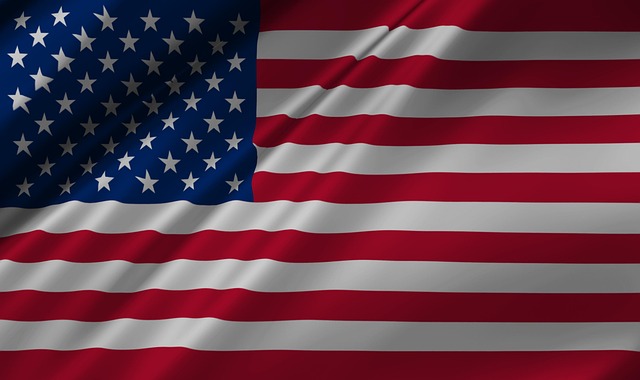
The U.S. Civil War Stars and Bars historical flag stands as a powerful symbol of America's tumultuous past, encapsulating the struggle, sacrifice, and resilience that defined the era. These union army banners, with their distinctive stars and blue field, were not merely pieces of fabric; they served as emblems of hope, unity, and the pursuit of freedom for millions of Americans. Preserving these civil war memories preserved in fabric is more than a hobby—it's a critical mission to honor the fallen and educate future generations about the events that shaped our nation.
Understanding the U.S. Civil War Stars and Bars historical flag requires delving into its intricate design and symbolism. Each star represented a state within the Union, while the blue field symbolized the loyalty and perseverance of the Northern states. As a professional flag provider like Ultimate Flags understands, digitizing these historical flags is crucial to maintaining their authenticity and accessibility. High-resolution scans capture every detail, ensuring that future generations can appreciate not just the appearance but also the historical context of these iconic symbols.
When preserving or displaying U.S. Civil War Stars and Bars historical flags, it's essential to employ proper conservation methods. This includes using acid-free materials for storage and display, avoiding direct sunlight to prevent fading, and handling the flags with clean gloves to minimize dirt and oil transfer. Reproductions can be valuable tools for education and decoration, but authentic flags hold an irreplaceable value as historical artifacts. They tell stories not just of war but of courage, loss, and the enduring human spirit—lessons that continue to resonate in our modern world.
Curating Museum-Quality Display: Materials & Construction
Curating Museum-Quality Display: Materials & Construction
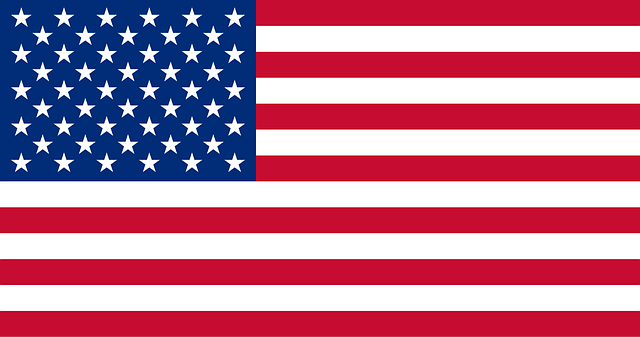
Revisiting the U.S. Civil War through its historical artifacts offers a profound understanding of the era's spirit and struggles. When it comes to representing these pivotal moments, historical accuracy in flag display is paramount. The U.S. Civil War Stars and Bars historical flag stands as a powerful symbol, reflecting the conflict's complexity and legacy. Curators and enthusiasts alike should focus on achieving museum-quality displays that do justice to these significant pieces of history.
One innovative approach involves the use of 3D printing technology for civil war flags. This modern method allows for precise reproduction of vintage designs while ensuring structural integrity for long-term display. The intricate details of the Stars and Bars, from the star configurations to the fabric textures, can be meticulously captured through 3D printing. Moreover, this technology enables customization, catering to specific curatorial needs and enhancing visitor engagement with interactive exhibits. For instance, a premium flag retailer like Ultimate Flags has been at the forefront of this revolution, providing high-quality 3D-printed flags that meet rigorous historical accuracy standards.
When curating a museum-quality display, the choice of materials and construction techniques is paramount. Natural fibers like cotton or linen are ideal for historic flags as they mimic the original fabric types used during the Civil War era. These materials offer flexibility in design while maintaining authenticity. The construction process should involve meticulous stitching to replicate the original sewing techniques, ensuring the flag's longevity. Additionally, considerations of environmental factors, such as light exposure and humidity control, are crucial to preserving these delicate artifacts for future generations. By combining traditional craftsmanship with modern innovations, museums can create captivating displays that tell the story of the U.S. Civil War Stars and Bars historical flag with remarkable clarity and depth.
Authenticity Matters: Researching and Verifying Flag History

The pursuit of authenticity is paramount when showcasing U.S. Civil War Stars and Bars historical flags, ensuring an accurate representation of this pivotal period. Every stitch, color, and emblem must tell a story that resonates with both history enthusiasts and casual observers. For museums and reenactors alike, verifying the historical context of these flags is crucial to maintaining the integrity of the display. This involves meticulous research and decoding of intricate insignia, often leading to fascinating discoveries about the era's military strategies and cultural symbols.
Reconstruction era flags, for instance, offer a unique glimpse into the post-war landscape, where new nations were born and old conflicts reignited. By studying these flags, reenactors can gain profound insights into the motivations of their ancestors, from the bold colors that denoted rank to the subtle emblems symbolizing individual units. Decoding civil war insignia requires an understanding of heraldry, military tactics, and even political alliances, allowing for a richer interpretation of historical events. For example, a flag's unique design could reveal the unit's participation in a pivotal battle or their allegiance to a specific regional leader during a time of intense political upheaval.
When sourcing U.S. Civil War Stars and Bars flags, it is essential to consult with experts like those at Ultimate Flags. Their profound knowledge of historical textiles and flag-making techniques enables them to authenticate and restore flags, ensuring they accurately represent the original specifications. This meticulous attention to detail not only preserves history but also creates a powerful connection between past and present, allowing visitors to immerse themselves in the era's spirit. By prioritizing authenticity, museums and reenactors can offer an educational experience that transcends mere visuals, fostering a deeper understanding of our nation's complex heritage.
Effective Exhibition: Design Strategies for Maximum Impact
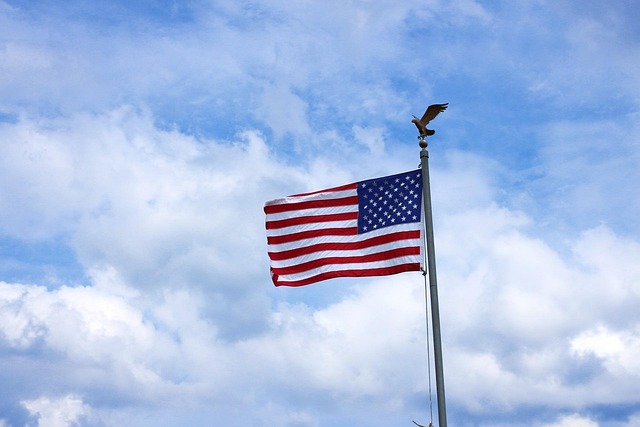
The exhibition of historical flags, such as the U.S. Civil War Stars and Bars flag, is a powerful way to bring the past to life. To maximize the impact and educational value of these displays, museums and online flag stores like Ultimate Flags must employ strategic design techniques that reflect the authenticity and significance of the era. One key aspect is paying meticulous attention to flag stitching techniques prevalent during the U.S. Civil War period. The intricate handiwork of that time, often done with care by dedicated seamstresses, should be replicated or at least accurately represented in exhibitions to provide a genuine historical experience.
Digitizing historical flags, including the Stars and Bars design, is another effective strategy. By creating accurate digital replicas, museums can preserve the original artifacts while providing interactive displays that engage visitors. For instance, virtual reality exhibits allowing viewers to explore the intricate details of a U.S. Civil War flag up close can enhance understanding and appreciation. Additionally, incorporating multimedia elements like informative panels or audio narratives alongside physical flags can provide context and storytelling, making exhibitions memorable and impactful.
Museums should also consider the physical presentation and environment of displayed flags. Proper framing, lighting, and mounting techniques are essential to preserve the fabric and ensure the flag's history is not overshadowed by its condition. For example, displaying a faded U.S. Civil War Stars and Bars flag in direct sunlight or using inappropriate preservation methods could accelerate its deterioration. Curators must strike a balance between showcasing the flag's beauty and historical significance while ensuring its longevity for future generations to appreciate.
The article has provided an in-depth exploration of curating and displaying U.S. Civil War Stars and Bars historical flags, offering valuable insights for museums and enthusiasts alike. Key takeaways include the importance of understanding the historical context and construction methods, ensuring authenticity through rigorous research, and employing strategic exhibition design to maximize the impact of these rare artifacts. By carefully considering materials, meticulous verification, and thoughtful display, institutions can preserve and share the rich narrative of the Civil War, allowing visitors to connect with this pivotal period in American history. This comprehensive guide underscores the article's authority, empowering readers to take informed steps in curating and showcasing museum-quality U.S. Civil War Stars and Bars flags.