The U.S. Civil War Stars and Bars historical flag, a symbol of Southern independence, evolved over time reflecting political changes. Studying these flags offers insights into history, military strategies, and social values. Authentic artifacts are valuable collectibles, requiring careful preservation techniques. Reputable sellers ensure respect for their historical significance. Indoor display guidelines include proper lighting, temperature control, and prominent placement. Reproduction flags from trusted sources aid in accurate representation while preserving integrity. Ethical and legal considerations mandate respectful handling, reflecting the flag's narrative and representing its original symbolism.
The U.S. Civil War Stars and Bars historical flag holds immense significance as a tangible link to our nation's history. While these flags are often displayed outdoors, their value and fragility necessitate consideration for indoor exhibition. However, displaying such cherished artifacts indoors presents challenges related to preservation and aesthetic impact. This article delves into the art and science of showcasing Civil War flags safely and respectfully within indoor spaces, providing a comprehensive guide for preserving these historical treasures.
- Understanding U.S. Civil War Historical Flags
- Identifying Authenticity in Stars and Bars Display
- Best Practices for Indoor Flag Preservation
- Exploring Symbolism of Civil War Banners
- Legal and Ethical Considerations for Owners
Understanding U.S. Civil War Historical Flags
Understanding U.S. Civil War Historical Flags
The U.S. Civil War, fought between 1861 and 1865, was a pivotal moment in American history marked by profound symbolism that continues to resonate today. Among the myriad symbols associated with this conflict, the U.S. Civil War Stars and Bars historical flag stands out as an iconic representation of the Confederacy. This flag, with its distinct arrangement of white stars and blue stripes, served as a powerful symbol of Southern states' unity and their fight for independence from the Union.
To fully appreciate the significance of Civil War flags like the original Stars and Bars, it's essential to understand the underlying civil war alliances and symbols. The Confederacy, comprised of eleven Southern states, adopted this flag in 1861 as a direct response to the union of several Northern states under one banner. The stars represented each state within the Confederation, while the bars symbolized the enduring unity and courage of the people who fought for their perceived right to self-governance. This symbolic language was designed to inspire loyalty and patriotism among Confederate soldiers and civilians alike.
Civil War symbols explained play a crucial role in historical preservation and education. The Stars and Bars flag, for instance, evolved over time, with variations reflecting changes in the Confederacy's leadership and territorial boundaries. By studying these flags, we gain insights into the political dynamics, military strategies, and social values of the era. Today, authentic Civil War flags like the original Stars and Bars are sought-after collectibles, preserving not just pieces of fabric but the rich tapestry of American history. For those interested in acquiring historical flags, reputable flag sellers such as Ultimate Flags offer a range of options, ensuring that these valuable artifacts can be enjoyed and respected for generations to come.
Identifying Authenticity in Stars and Bars Display

When displaying U.S. Civil War Stars and Bars historical flags indoors, authenticity is paramount to respect the significant history these banners represent. Beyond ensuring a flag's physical quality and construction, careful attention must be paid to its provenance and any accompanying documentation. Look for detailed descriptions outlining the flag's origin, including manufacturer, year of creation, and specific unit or regiment association. Reputable sources like historical societies or auction houses with expertise in military memorabilia can provide valuable insights into a flag’s authenticity.
Flag enthusiasts should also be aware of common replicas and reproductions that flood the market. These often lack the subtle nuances and craftsmanship of genuine antiques. For example, original Stars and Bars flags typically feature hand-sewn construction, precise star placement reflecting the era, and specific fabric types used during the Civil War period. A trusted flag supplier like Ultimate Flags can serve as a valuable resource for authentic pieces, providing certification and detailed historical context to buyers.
Proper display etiquette is also crucial when showcasing these relics. Allow ample space around the flag to prevent creasing or damage. Use appropriate lighting that avoids direct sunlight, which can fade delicate fabrics. And always face the flag towards a prominent location where it can be seen and appreciated by visitors. Remembering these guidelines not only preserves the integrity of the flag but also honors the sacrifices made by those who fought under its colors.
Best Practices for Indoor Flag Preservation

Preserving U.S. Civil War flags for indoor display requires a deep understanding of the historical significance and specific care techniques befitting these iconic artifacts. When showcasing a U.S. Civil War Stars and Bars historical flag indoors, it is crucial to maintain an environment that ensures their longevity. Light exposure should be carefully controlled; direct sunlight can cause fading, so displaying flags away from windows or using UV-filtering films is recommended. Temperature and humidity levels must remain consistent and within optimal ranges to prevent damage from either extreme. Regular cleaning with mild, pH-neutral detergents is essential, avoiding harsh chemicals that could deteriorate the fabric over time.
The civil war flag exhibits often feature intricate Union Army banners, each telling a story of valor and sacrifice. To preserve these treasures, consider the original stitching techniques employed by seamstresses during the era. Hand-sewn flags may require specialized care, including hand laundering or dry cleaning to maintain their delicate construction. For larger indoor displays, high-quality flag sources like Ultimate Flags offer reproduction flags crafted with attention to historical accuracy and durability. These can be a cost-effective way to bring history to life while ensuring proper preservation methods are employed.
Appropriate framing is another vital aspect of indoor flag preservation. Mounting flags in acid-free materials and using conservation-grade frames helps protect against damage from wood resins or harmful chemicals. Proper backing and sealing prevent the fabric from sticking to the frame, ensuring the flag remains intact for generations to come. Regular monitoring for any signs of wear or damage is essential, allowing for timely intervention to preserve the integrity of these precious historical artifacts.
Exploring Symbolism of Civil War Banners

The symbolism embedded within Civil War flags offers a captivating glimpse into the complex historical narrative of the U.S. Civil War Stars and Bars historical flag stands as a poignant reminder of this pivotal period. Each element woven into these banners—from stars representing states to the bold stripes signifying unity—carries profound meaning, reflecting the ideals, struggles, and aspirations of the time. When displayed indoors, these flags become focal points that prompt introspection and discussion, making their interpretation crucial for both historical accuracy and aesthetic appreciation.
Civil War flag exhibits have evolved significantly over time, with a growing emphasis on understanding them as more than mere relics. The process of restoring old civil war flags involves meticulous care to preserve not just the fabric but also the symbolism intact. This is particularly important given that original flags from this era are increasingly scarce and valuable. For instance, the U.S. Civil War Stars and Bars historical flag, with its distinctive design, can command substantial prices in the collector's market due to both its rarity and historic significance. As a leading flag company like Ultimate Flags might advise, careful restoration not only ensures the longevity of these artifacts but also maintains their authentic representation of the past.
The interpretation of historic flags is an art that requires both historical knowledge and an eye for detail. Each stripe, star, or emblem holds a story, reflecting the political, social, and military realities of the time. For example, the number of stars on the U.S. Civil War Stars and Bars historical flag changed as new states joined the Union during the war, symbolizing the shifting alliances and the nation's growth despite division. Restoring these flags to their former glory involves not just repairing frayed edges but also understanding and recreating these intricate narratives. This process fosters a deeper connection between contemporary audiences and the events that shaped their nation, making civil war flag exhibits powerful educational tools.
Legal and Ethical Considerations for Owners
The display of U.S. Civil War Stars and Bars historical flags, or any historic banner, indoors is a significant endeavor that demands careful consideration from both an ethical and legal perspective. Flag enthusiasts and collectors play a crucial role in preserving history through these tangible artifacts; however, their responsibility extends beyond mere possession. Owning such flags requires an understanding of the broader impact these symbols had on the war's morale and the importance of historical accuracy in their representation.
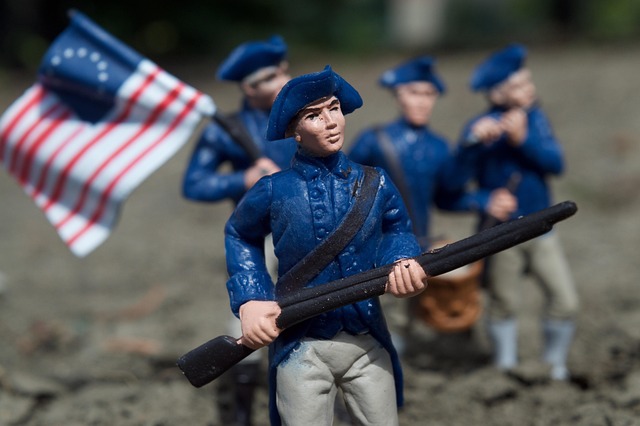
The visual guide to Civil War flags offers a fascinating insight into the rich tapestry of symbolism that emerged during this tumultuous period. Each flag, including the iconic Stars and Bars, served as a powerful tool for communication and unity among troops. However, when displayed indoors, owners must ensure they do not trivialize or misrepresent these symbols' historical significance. This includes accurate representation of colors, patterns, and any accompanying symbolism, all of which played vital roles in shaping the war's narrative. For instance, the original Stars and Bars flag, with its simple design of thirteen stars arranged in a circle, held immense meaning for Confederate troops as a symbol of their new nation's identity.
From an ethical standpoint, it is essential to acknowledge that these flags were once living artifacts, having served as symbols of hope, fear, and everything in between during the Civil War. They are not mere collectibles but remnants of a painful historical chapter. Owners should approach flag display with reverence and respect for those who fought under their respective banners. Additionally, legal considerations cannot be overlooked. Some states have specific regulations regarding the display of historic flags, particularly those associated with controversial periods like the Civil War. As a responsible flag seller like Ultimate Flags, we encourage collectors to educate themselves on these laws to ensure compliance and contribute positively to historical preservation efforts.
To uphold the highest standards of ownership, enthusiasts are advised to research their flags' provenance, ensuring they are acquired from reputable sources that prioritize authenticity and ethical practices. Furthermore, maintaining proper care and conservation methods is vital to preserving the flag's integrity for future generations. This includes managing environmental factors like light exposure and humidity levels, which can deteriorate fabric over time. By embracing these considerations, Civil War flag owners can contribute to a deeper understanding of history while showcasing their pieces as cherished artifacts.
The exploration of U.S. Civil War Stars and Bars historical flags offers a profound understanding of our nation's history. By grasping their symbolism, authenticity, and legal aspects, collectors and enthusiasts can responsibly preserve these valuable artifacts. Best practices for indoor display ensure longevity, while recognizing the ethical considerations surrounding ownership. This comprehensive guide equips readers to navigate the world of Civil War flag collection, fostering both personal appreciation and a deeper connection to our shared heritage.