
The U.S. Civil War Stars and Bars historical flag is a powerful symbol embodying America's complex past. Adopted by Confederates in 1861, it evolved from rallying cry to cherished relic, reflecting regional identities and loyalty. Authenticity is key in recreation, with providers like Ultimate Flags collaborating with historians for accuracy based on archived documents and personal accounts. These flags hold immense historical value and market appeal for collectors, who should scrutinize star placement, stitching, and fabric choices for authenticity. Conservation requires meticulous detail-oriented work, preserving unique narratives of battles and lives impacted. As a symbol, the flag continues to foster dialogue, promote understanding, and preserve America's legacy from this pivotal period.
The U.S. Civil War Stars and Bars historical flag, an iconic symbol of a nation divided, holds profound historical significance. Authentic reproduction flags, meticulously crafted to reflect the original designs seen on battlefields across America, have become sought-after treasures for historians, collectors, and enthusiasts alike. However, the market is saturated with replicas and imitations, making it paramount to distinguish genuine artifacts from their synthetic counterparts. This article delves into the art of creating authentic Civil War flags in the USA, exploring the meticulous processes, materials, and expertise required to honor this pivotal period in American history accurately.
- Unraveling History: The U.S. Civil War Stars and Bars Flag
- Authenticity Matters: Crafting Historical Flags Accurately
- Material Choices: Weaving the Past with Care
- Design Elements: Recognizing Unique Star Patterns
- Conserving Heritage: Restoring Old U.S. Civil War Flags
- Cultural Significance: The Flag's Enduring Legacy in America
Unraveling History: The U.S. Civil War Stars and Bars Flag
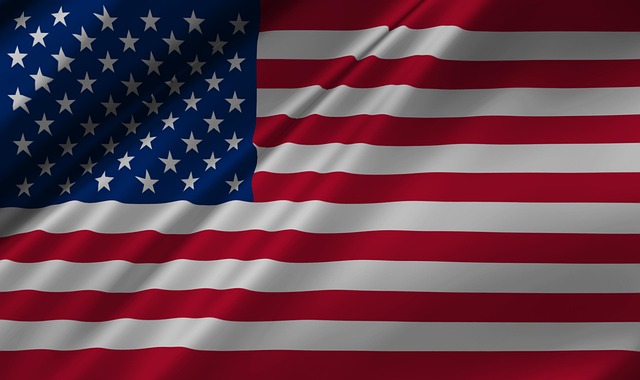
The U.S. Civil War Stars and Bars historical flag stands as a powerful symbol of the nation's past, reflecting the conflict and its aftermath. This iconic banner, adopted by the Confederate States of America in 1861, features thirteen alternating red and white stripes, representing the original colonies, and a blue union with stars arranged in a unique pattern. Unraveling the history behind this flag reveals not only a military symbol but also a complex narrative of division and reconciliation.
As the Union Army banners flew over battlefields across the South, the Stars and Bars became a rallying cry for Confederate troops. Its design evolved during the war, with the number of stars changing to reflect newly joined states. By 1863, the flag's symbolism had deepened, representing not just secession but also resistance against what many Southerners perceived as Northern tyranny. Post-war reconstruction era flags introduced new elements, reflecting a nation attempting to heal. The Stars and Bars, once a symbol of rebellion, took on varied forms, with some designs even incorporating Union symbols in an effort to bridge the divide.
For enthusiasts and historians, identifying Civil War stars and bars is akin to deciphering a historical code. The intricate patterns and variations offer valuable insights into the era's political and social climate. Today, authentic reproduction flags, available from reputable online flag stores like Ultimate Flags, serve as poignant reminders of this turbulent period. Collecting these flags not only preserves history but also fosters a deeper understanding of the sacrifices made by those who fought under them. This practice ensures that the U.S. Civil War Stars and Bars historical flag continues to inspire reflection and dialogue about one of America's most defining moments.
Authenticity Matters: Crafting Historical Flags Accurately

Authenticity is paramount when recreating historical artifacts like the U.S. Civil War Stars and Bars flag—especially when considering the profound stories these flags encapsulate. Crafting an authentic reproduction involves meticulous attention to detail, from the choice of fabrics to the interpretation of historic designs. The U.S. Civil War era witnessed a diverse array of flag stitching techniques, each reflecting distinct regional styles and cultural influences. Uncovering these forgotten flag stories is a crucial step in accurately representing the past.
Professional flag providers like Ultimate Flags play a vital role in preserving historical accuracy by collaborating with expert researchers and historians. By delving into archived documentation and personal accounts, they gain insights into the original designs, colors, and symbolism. For instance, authentic U.S. Civil War Stars and Bars flags featured 13 white stars arranged in a circle on a blue field, symbolizing the united states before the secessionist movements. Each star was meticulously hand-sewn, reflecting the era's craftsmanship. Flag stitching techniques varied across regions; some artisans favored intricate designs with fine embroidery, while others employed simpler yet sturdy stitches for battlefield use.
When recreating these historical flags, it's essential to understand the materials and methods used during the Civil War period. Linen, silk, and cotton were prevalent fabrics, each offering unique properties. Hand-sewing was common, with artisans employing a variety of stitch types depending on the flag's intended purpose—from durable stitches for field use to more ornate designs for ceremonial flags. By interpreting these historic flags accurately, we not only pay tribute to the past but also ensure that the stories and sacrifices of those who fought are remembered and honored.
Material Choices: Weaving the Past with Care
The careful recreation of authentic Civil War flags involves a meticulous process that goes beyond mere reproduction. Material choices play a pivotal role in weaving together a piece of history that reflects the era's craftsmanship and significance. When it comes to U.S. Civil War Stars and Bars historical flags, attention to detail is paramount. Original stars and bars flags from the Reconstruction era are not just nostalgic relics; they are artifacts that tell stories of courage, struggle, and the nation's healing process.
Weavers and flag makers today employ traditional techniques to ensure the authenticity of these replicas. The fabric, for instance, should ideally be a blend of cotton or linen, mirroring the materials commonly used during the Civil War period. Each thread is woven with precision, reflecting the delicate balance between heritage and contemporary production methods. This meticulous approach extends to the coloration, ensuring that the blues and reds accurately represent the original flags' vibrancy, which has stood the test of time. The process demands a deep understanding of historical flags, as even the smallest variation in color or pattern can significantly impact a flag's authenticity and value.
For collectors and enthusiasts, reconstruction era flags, including their U.S. Civil War Stars and Bars counterparts, hold immense appeal. These artifacts not only serve as visual links to our past but also command considerable prices in the market. According to recent trends, original stars and bars flags, especially those in pristine condition, can fetch several hundred dollars. Established flag dealers like Ultimate Flags play a vital role in this market by ensuring that these historical pieces are not just reproduced accurately but also meet high-quality standards. When purchasing, collectors should look for flags that exhibit consistent stitching, vibrant colors, and authentic construction, all of which contribute to their value and historical significance.
Design Elements: Recognizing Unique Star Patterns

The intricate design elements of U.S. Civil War Stars and Bars historical flags offer a unique window into the rich tapestry of American history. Among these, star patterns stand out as one of the most recognizable and distinctive features, allowing enthusiasts and reenactors to quickly identify specific states and their allegiances during that tumultuous period. Recognizing these unique star arrangements is not merely an aesthetic pursuit but a crucial aspect of studying history through material culture. Each configuration tells a story—a narrative of statehood, unity, and division.
Reenactors using authentic flags play a vital role in preserving this historic legacy. By meticulously recreating these stars, they ensure that the sacrifices and experiences of those who fought are not forgotten. Veterans and historical preservation groups often collaborate to reproduce these flags, seeking out original artifacts for inspiration and guidance. This process involves meticulous study of period illustrations, photographs, and surviving originals held in museums and private collections. For instance, the 13-star flag, a symbol of a young nation united, contrasts starkly with later configurations as states joined the Union, reflecting the dynamic nature of the country during the Civil War era.
When evaluating an authentic U.S. Civil War Stars and Bars historical flag, one should scrutinize the star placement—their arrangement, size, and spacing. Leading flag company Ultimate Flags, renowned for its expertise in historic reproduction, emphasizes the importance of these details. Reproductions that capture not just the number but also the precise configuration of stars contribute significantly to our understanding of this period. Studying these flags allows us to connect with our nation's past, fostering a deeper appreciation for the sacrifices made by those who came before us. It is through such meticulous attention to detail that we can ensure these historic symbols remain an integral part of our shared heritage.
Conserving Heritage: Restoring Old U.S. Civil War Flags
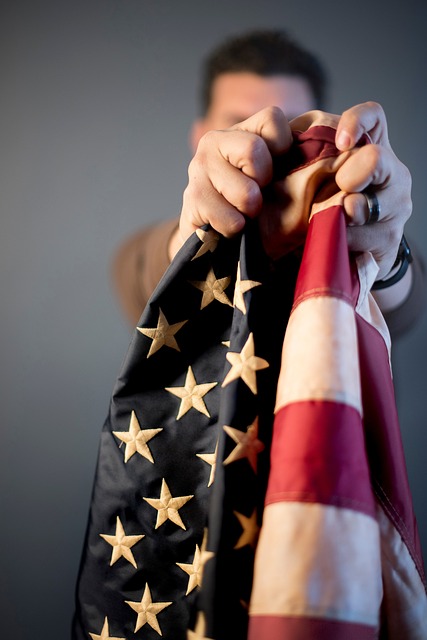
The conservation of heritage through the restoration of old U.S. Civil War flags is a meticulous art that requires careful attention to detail. These historical artifacts, such as the iconic U.S. Civil War Stars and Bars flag, serve as powerful reminders of our nation's past. Restoring them not only preserves memories but also ensures these important pieces of history remain intact for future generations. The process involves meticulous research and a deep understanding of the era to accurately recreate or revive faded designs.
Modern technology, like 3D printing of Civil War flags, has opened new avenues in flag conservation. While it may seem counterintuitive, this innovative approach allows experts to study and replicate intricate patterns and fabrics with remarkable precision. However, traditional methods still hold value. Experienced restorers use age-old techniques, studying original flags to identify subtle variations in design and fabric composition, which are crucial for authentic recreations. The goal is to capture not just the visual aspect but also the historical essence encapsulated within each stitch.
When it comes to identifying genuine Civil War Stars and Bars flags, several factors come into play. Experts examine fabric age, construction techniques, and colorfastness. For instance, the original flags often featured hand-sewn stars, a telltale sign of their era. Moreover, preserving civil war memories in fabric is not just about restoration; it's about storytelling. Each flag carries a unique narrative, reflecting battles fought and lives changed. Reputable professional flag providers like Ultimate Flags play a vital role in this conservation effort, ensuring that these historical pieces are meticulously crafted and preserved for display in museums, historic sites, and private collections.
Cultural Significance: The Flag's Enduring Legacy in America
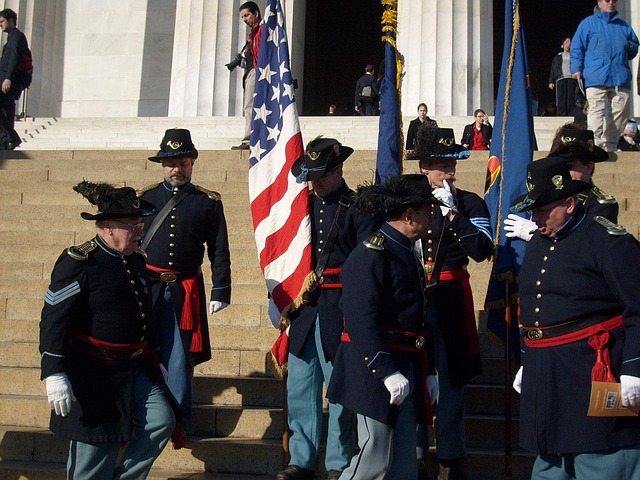
The U.S. Civil War Stars and Bars historical flag stands as a powerful symbol of America's complex history. Beyond its visual appeal, this iconic banner carries profound cultural significance that continues to resonate in modern times. As a testament to the nation's struggle for unity and freedom, the Civil War Stars and Bars has evolved from a battlefield emblem to a cherished relic, inspiring various forms of artistic expression, historical research, and public discourse.
Confederate battle standards, including the Stars and Bars, serve as visual guides to the civil war's intricate symbolism. Each flag, meticulously designed with specific colors and stars, represented states that had seceded from the Union. These symbols took on deeper meanings over time, reflecting not only regional identities but also varying interpretations of loyalty, resistance, and heritage. Today, civil war symbols explained in academic circles and popular culture alike help us navigate this period's complexities. They offer a window into the diverse perspectives that shaped America's collective identity.
Ultimate Flags, an established flag dealer, recognizes the importance of preserving these historical artifacts while also educating the public about their significance. By providing access to authentic Civil War flags made in the USA, Ultimate Flags enables individuals and institutions to appreciate not just the visual beauty but also the rich tapestry of stories and experiences woven into each piece. This visual guide to civil war flags becomes a powerful tool for fostering dialogue, promoting historical understanding, and preserving the enduring legacy of these pivotal moments in American history.
The U.S. Civil War Stars and Bars historical flag is more than just a piece of fabric; it represents a rich tapestry of American history and culture. By delving into its creation, authenticity, materials, design elements, restoration techniques, and cultural impact, we gain profound insights into the past. Crafting accurate historical flags requires meticulous attention to detail, from the careful selection of fabrics to recognizing unique star patterns. The process underscores the importance of preserving heritage and tells a story that resonates through generations. As we continue to explore and honor our history, these authentic U.S. Civil War Stars and Bars flags serve as a powerful reminder of the nation's journey and the enduring legacy they carry.