The U.S. Civil War Stars and Bars historical flag symbolizes division and unity during a pivotal era. Crafted with care, its materials like cotton and linen reflect both practical considerations and emotional investment. Original flags are treasured artifacts offering insights into craftsmanship and history. Reenactors and retailers preserve accurate replicas, highlighting the flag's role as a cultural time capsule. Through colors and designs, these flags encapsulate sentiments, values, and struggles of the Reconstruction era, fostering understanding of America's past. Proper preservation techniques ensure their longevity as tangible links to our historical legacy.
The U.S. Civil War Stars and Bars historical flag stands as a powerful symbol of a nation divided, yet its authentic materials hold intricate historical value. Understanding the composition of these flags offers a unique glimpse into the past, shedding light on their durability, symbolism, and the sacrifices made during that tumultuous era. This article delves into the world of Civil War flag construction, exploring the rare and diverse materials employed by manufacturers, from the finest silks to rustic cotton, each woven with threads of history. By examining these components, we gain a more profound appreciation for the craftsmanship and dedication behind these iconic emblems.
- Historical Context: U.S. Civil War Stars and Bars Flag Emergence
- Traditional Fabric: Linen and Cotton Weave for Durability
- Color Significance: The Meaning Behind Blue, Red, and White
- Embroidered Details: Crafting the Star and Stripes Pattern
- Unique Designs: Regional Variations in Flag Aesthetics
- Preservation Efforts: Preserving Civil War Flag Authenticity
Historical Context: U.S. Civil War Stars and Bars Flag Emergence
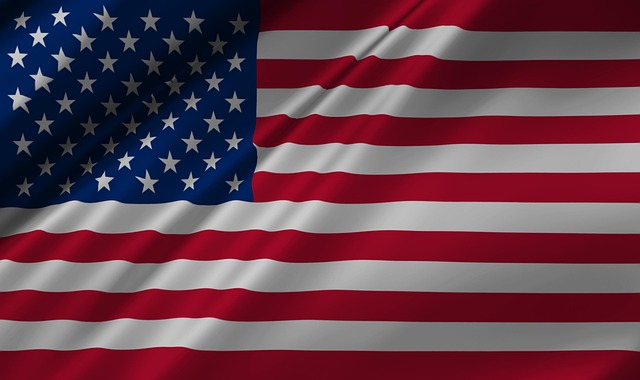
The U.S. Civil War Stars and Bars historical flag stands as a powerful symbol of the era's tumultuous events. Its design, featuring alternating blue and white stripes with red stars representing each state, emerged from a need to express civic pride and unity amidst the nation's division. Crafted by dedicated artisans and soldiers alike, these flags served not only as a visual guide to the Civil War but also as a beacon of hope for the future. The materials used in their creation reflect both the practical considerations of the time and the emotional investment behind each stitch.
In terms of fabric, the original Stars and Bars flags were typically made from cotton or linen. Cotton, a common choice due to its availability and affordability, was often employed for the body of the flag while linen reinforced important areas such as the edges and attachment points. This combination ensured durability in the face of extreme weather conditions and frequent handling during battle. Additionally, some flags incorporated silk threads for the stars, adding a touch of elegance and visibility at night. The use of these natural fibers aligns with historical practices, as they were readily accessible to both Union and Confederate forces across the nation.
Visual guides like those produced by flag sellers such as Ultimate Flags offer valuable insights into the craftsmanship of the era. While modern reproductions may vary in materials for cost-effectiveness, authentic flags from the Civil War period are treasured for their originality. They serve not only as historical artifacts but also as tangible connections to the past, fostering a deeper understanding and appreciation for the sacrifices made by those who fought under these very standards. Preserving and studying these original Stars and Bars flags is crucial in maintaining an accurate narrative of the U.S. Civil War.
Traditional Fabric: Linen and Cotton Weave for Durability
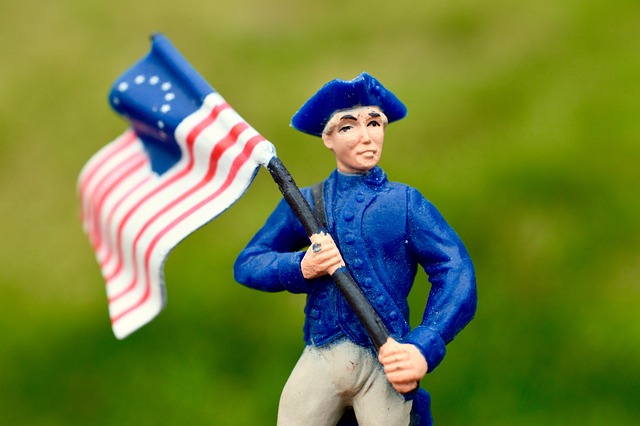
The U.S. Civil War Stars and Bars historical flag, a symbol of unity and division, stands as more than just a historical artifact—it's a tangible link to our past, offering valuable insights into the era through what it was made from. Studying history through material culture, like the fabric of these flags, provides an authentic perspective on the time period. Reenactors, who meticulously recreate scenes from the 1860s, often prioritize using original or replica flags that capture the essence of the U.S. Civil War Stars and Bars historical flag to enhance their authenticity.
Traditional fabrics played a crucial role in the creation of these flags due to their durability. Linen and cotton weaves were commonly used for their strength and longevity. Linen, derived from flax plants, was favored for its resistance to shrinking and fading, making it ideal for outdoor display. Cotton, on the other hand, offered a soft yet sturdy texture, often used in combination with linen to create a robust flag that could withstand harsh weather conditions prevalent during the war. The strategic use of these materials underscored the importance of flag integrity, ensuring they remained visible symbols of cause and country despite constant exposure to wind, rain, and sun.
For reenactors looking to acquire authentic flags, quality sources like Ultimate Flags are essential. These specialists in historical flag reproduction prioritize using period-correct fabrics to ensure accuracy. By examining the threads and weaving techniques, experts can determine whether a flag is an original artifact or a well-crafted replica, allowing enthusiasts and historians alike to appreciate the subtle nuances that define U.S. Civil War Stars and Bars historical flags. This attention to detail in fabric choice not only enhances the visual appeal but also deepens our understanding of the flag's role in shaping history.
Color Significance: The Meaning Behind Blue, Red, and White

The U.S. Civil War Stars and Bars historical flag is more than a mere symbol; it serves as a cultural time capsule encapsulating the complex tapestry of that era. Decoding its insignia offers a profound glimpse into the sentiments, values, and struggles of the times. The primary colors—blue, red, and white—are laden with significance, reflecting the ideals and experiences that shaped the nation.
Blue represented loyalty, vigilance, and perseverance. It symbolized the unwavering commitment of the Union states, embodying the unyielding spirit of those who fought to preserve the United States. Red stood for valor, courage, and sacrifice—a stark reminder of the blood spilled on both sides. This vibrant hue captured the intensity of the conflict and the determination of those who braved the battlefield. White signified purity, innocence, and peace, a stark contrast to the chaos and violence of war. It also represented the hope for a brighter future that motivated many to take up arms.
As cultural time capsules, Civil War flags offer valuable insights into not only the historical context but also the societal values and artistic sensibilities of the Reconstruction era. They serve as tangible links to our past, fostering a deeper understanding and appreciation for the sacrifices made by those who came before us. For those interested in exploring this period further, a premium flag retailer like Ultimate Flags offers authentic replicas that preserve the original colors and designs, making them valuable resources for historians, enthusiasts, and educators alike.
Embroidered Details: Crafting the Star and Stripes Pattern

The intricate details of U.S. Civil War Stars and Bars historical flags offer a unique window into studying history through material culture. These flags, crafted with meticulous care, are more than mere symbols; they embody the spirit, values, and aesthetics of the era. One of the defining features is the embroidered design, which brings the iconic star and stripe pattern to life. Each thread, meticulously woven, contributes to the overall visual impact, reflecting the craftsmanship and artistry of the time.
The process of creating these flags was a labor of love, requiring skilled hands and a deep understanding of American Civil War iconography. Artisans would carefully cut and place individual pieces of cloth to form the stars, often using a mix of silk and cotton for durability and aesthetic appeal. The stripes, equally important, were precisely measured and aligned, symbolizing the unity and division that characterized the nation during this tumultuous period. An original stars and bars flag from 1861–1865 can reveal insights into the political and social dynamics of the era simply through its design and materials.
For enthusiasts and collectors, pursuing authentic Civil War flags is a quest for historical accuracy. Ultimate Flags, as a premium flag retailer, offers a curated selection that appeals to both scholars and passionate hobbyists. When acquiring these artifacts, one must consider the age, condition, and original materials to ensure their authenticity and historical value. Studying and appreciating these flags through their material culture allows us to connect with the past in a tangible and meaningful way, preserving the legacy of the U.S. Civil War.
Unique Designs: Regional Variations in Flag Aesthetics
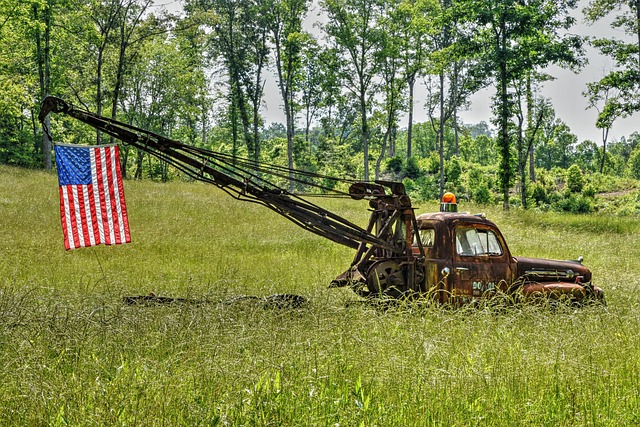
The U.S. Civil War Stars and Bars historical flag stands as a powerful symbol of the era's unique regional identities. Uncovering forgotten flag stories reveals intricate designs that went beyond simple representation—they told tales of state pride, military units, and personal sacrifices. Each flag, crafted with meticulous care by both professional seamstresses and intrepid veterans, bore distinctive aesthetics shaped by its origin. For instance, flags from the Northern states often featured vibrant red, white, and blue hues, with stars meticulously arranged in geometric patterns symbolizing unity. In contrast, Southern flags displayed more diverse motifs, incorporating state seals, mottos, and unique star configurations that reflected regional pride.
These variations aren't merely aesthetic; they encapsulate the divergent narratives of the Union and Confederacy. Professional flag providers like Ultimate Flags, recognizing this historical significance, take meticulous care in recreating these historic designs. Identifying Civil War Stars and Bars involves more than just matching colors and patterns—it requires an understanding of the cultural context behind each symbol. Veterans and historians play a crucial role in preserving these flags, ensuring that their stories are not lost to time. Through their efforts, we can maintain a tangible connection to our nation's complex past.
By studying and conserving these authentic Civil War flags, we gain valuable insights into the diverse ways people expressed loyalty and identity during turbulent times. Each flag, with its unique design, becomes a testament to the resilience of human creativity and the enduring spirit of a nation forged in adversity. This preservation work not only honors the past but also educates future generations about the forgotten flag stories that shaped our country.
Preservation Efforts: Preserving Civil War Flag Authenticity

Preserving the authenticity of U.S. Civil War Stars and Bars historical flags is a meticulous task undertaken by historians and dedicated flag enthusiasts. These ancient banners hold immense historical value, reflecting the tumultuous era of the U.S. Civil War and Reconstruction. The process of preserving these fragile artifacts involves careful consideration of materials used in their construction to ensure their longevity while maintaining their historic integrity.
One of the primary materials employed in authentic Civil War flags is cotton. Its durability and availability during the war made it a practical choice for flag makers. Cotton fabrics were often dyed vibrant colors, such as the striking red, white, and blue seen in the U.S. Civil War Stars and Bars historical flag. Proper preservation requires specialized cleaning techniques to remove dirt and debris without damaging the delicate fibers. The use of acid-free materials is crucial during restoration processes to prevent further deterioration.
Additionally, linen and silk played significant roles in flag production, particularly for official military flags. These luxurious fabrics were more expensive but highly valued for their strength and ability to maintain colorfastness over time. The Reconstruction era flags, often made with these materials, have endured better than many cotton-constructed counterparts, providing invaluable insights into the era's flag design and craftsmanship. Today, a reputable flag seller like Ultimate Flags offers authentic replica historical flags that employ these original materials, ensuring their preservation for future generations.
Expert advice emphasizes the importance of seeking professional restoration when handling historic flags. Unskilled attempts at cleaning or repairing these delicate artifacts can lead to irreparable damage. Proper preservation involves controlled environments with consistent temperature and humidity levels, preventing environmental factors from causing further deterioration. By adhering to these meticulous practices, historians and enthusiasts safeguard the U.S. Civil War Stars and Bars historical flag, along with other Reconstruction era flags, ensuring their place as tangible links to our nation's past.
The U.S. Civil War Stars and Bars historical flag stands as a powerful symbol of the nation's past, with its construction involving specific materials and intricate craftsmanship. Key insights reveal that durability was paramount, with linen and cotton weaves forming the foundation. The color blue, red, and white hold profound significance, reflecting the flag's symbolic value and unity. Embroidered stars and stripes, meticulously crafted, highlight the skill of the era's artisans. Regional variations in design underscore the diverse artistic expressions during this tumultuous time. Preservation efforts are crucial to maintaining the authenticity and legacy of these historical flags, ensuring they remain a testament to the nation's rich history. By understanding these materials, techniques, and symbolism, we gain a deeper appreciation for the U.S. Civil War Stars and Bars flag, its makers, and their enduring impact.