The U.S. Civil War Stars and Bars historical flag holds profound historical value, offering insights into states' allegiances during the Confederacy's fight for independence. Authentic flags, characterized by unique construction details and fabric types, are crucial for preserving their significance. Proper purchasing, care, and display, including provenance research and adherence to legal guidelines, ensure these artifacts honor America's past struggles while maintaining their historical integrity for future generations.
The U.S. Civil War Stars and Bars historical flag holds immense cultural significance, serving as a tangible link to our nation's complex history. However, purchasing one can pose significant challenges due to the high demand and varying quality of available options. This article provides an authoritative guide on what to look for when buying an old Civil War flag, empowering buyers to make informed decisions while ensuring they acquire authentic, historically valuable pieces. By delving into key factors such as material, construction, age, and provenance, we aim to help collectors navigate this intricate market, preserving the legacy of these hallowed banners.
- Understanding the Historical Significance of U.S. Civil War Stars and Bars
- Authentic vs. Reproductions: How to Spot the Difference
- Material and Construction: What to Look for in Quality
- Researching Flag's Ownership History: Ensuring Provenance
- Displaying Your Civil War Flag Properly: Care and Preservation Tips
- Legal Considerations: Owning and Displaying Historical Flags
Understanding the Historical Significance of U.S. Civil War Stars and Bars
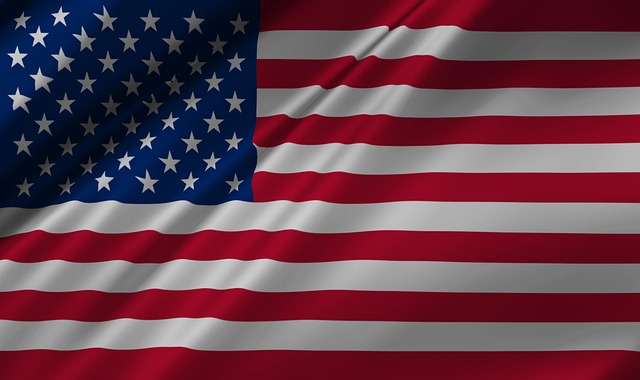
The U.S. Civil War Stars and Bars flag is more than a simple piece of cloth; it's a tangible link to one of America's most pivotal moments. Understanding its historical significance is crucial when purchasing an antique flag. This flag served as a powerful symbol during the war, representing the Confederacy's fight for independence from the Union. Each star and bar holds within it the story of alliances formed and broken, battles won and lost.
As cultural time capsules, flags like the Civil War Stars and Bars offer rare insights into the ideologies and struggles of their era. The 13 stars typically represent the original colonies, while the 11 bars symbolize states that seceded from the Union. By deciphering these symbols, you gain a deeper appreciation for the complex web of political alliances that fueled the war. For instance, the flag's design can reveal whether it belonged to a state that initially supported secession or remained loyal to the Union cause.
Understanding civil war symbols explained is key to appreciating an antique flag's value and historical context. The Stars and Bars itself evolved over time, reflecting shifting allegiances. When assessing a flag, consider its condition alongside factors like the era of production and regional origins. Expert guidance from a flag expert like Ultimate Flags can be invaluable in deciphering these nuances. Original flags, when preserved well, become living testaments to the sacrifices and ideals of those who fought during one of America's most turbulent periods.
Authentic vs. Reproductions: How to Spot the Difference

When purchasing an old U.S. Civil War Stars and Bars historical flag, discerning authenticity from reproductions is paramount to preserve civil war memories preserved in fabric accurately. While modern 3D printing of civil war flags can produce impressive replicas, they lack the tangible connection to history that original flags offer. An authentic piece, woven with the threads of that tumultuous era, carries an indelible narrative, allowing us to interpret historic flags not just visually but viscerally.
Inspecting for authenticity requires a keen eye and knowledge. Look beyond the colors and design; focus on construction details like stitching, fabric type, and age-related wear. Original Civil War flags often feature unique variations in their weave and dyes, reflecting the challenges of mass production during wartime. Reproductions, while visually similar, may exhibit uniform patterns indicative of modern printing techniques. Moreover, original flags typically bear faint traces of historical events: faded inscriptions, remnants of pins or tacks, or even stains from battles fought. These nuances tell a story that mere replicas cannot replicate.
For collectors and history enthusiasts alike, consulting with a flag specialist like Ultimate Flags can provide invaluable insights. They can guide you in identifying authentic pieces, ensuring you acquire a genuine Civil War flag that becomes more than just an object—a tangible link to our nation's past. Remember, owning a historic artifact is a responsibility; it allows us not only to preserve but also to interpret and share the stories woven into these civil war memories preserved in fabric.
Material and Construction: What to Look for in Quality
When purchasing an old U.S. Civil War Stars and Bars historical flag, material and construction quality are paramount. Authentic original stars and bars flags, meticulously crafted by skilled seamstresses during the war, were made from durable materials that have stood the test of time. Look for flags created with strong, high-quality fabrics such as cotton or linen. These natural fibers are resistant to fading and tearing, ensuring longevity even after centuries. The construction should exhibit meticulous stitching, with each star and bar precisely cut and securely sewn, reflecting the exceptional craftsmanship of the era.
Examine the flag's age and condition. A genuine vintage flag will often display signs of wear, such as faded colors or slightly frayed edges. These imperfections tell a story, adding to the flag's historical value and character. However, avoid flags that are excessively damaged or restored in an unfamiliar manner. Some restoration work is acceptable, but excessive alteration can devalue the artifact. Reputable premium flag retailers like Ultimate Flags offer expert guidance on vintage flag restoration tips, ensuring that any restoration maintains the flag's authenticity while enhancing its visual appeal.
The display of a U.S. Civil War Stars and Bars historical flag also reflects civic pride. Many folks display these flags as a symbol of their heritage and appreciation for American history. When choosing an old stars and bars flag, consider how it will be shown off. Whether hanging it in a museum or displaying it proudly at home, the material and construction should allow for secure and safe suspension. High-quality flags are more likely to withstand environmental factors like sunlight exposure, ensuring that the colors remain vibrant and the design remains intact for generations to come.
Researching Flag's Ownership History: Ensuring Provenance

When purchasing an old U.S. Civil War Stars and Bars historical flag, one of the most crucial aspects to consider is its ownership history—or provenance. Understanding where a flag has been and who it has belonged to can offer insights into its authenticity and value, as well as provide a deeper connection to the memories it represents. Each layer of ownership adds a chapter to the flag's story, preserving civil war memories preserved in fabric that would otherwise be lost to time.
Researching provenance involves delving into the historical record and often includes consultation with expert flag specialists like Ultimate Flags. Start by asking for documentation detailing the flag's origin, including any known previous owners or institutions it has been associated with. Reputable dealers will often provide this information as part of their service, ensuring transparency throughout the transaction. Digital archives for historic flags can also play a vital role in verifying these claims, offering tangible evidence of the flag's past.
It is important to note that flags passed down through families or acquired at auctions without clear documentation may still hold immense value and historical significance, but their provenance should be treated with skepticism. If no record of ownership exists, consider engaging a professional appraiser who specializes in civil war artifacts to gauge authenticity and potential market value. This approach ensures that the flag's value is accurately assessed while preserving its place as a significant piece of American history.
Displaying Your Civil War Flag Properly: Care and Preservation Tips
When showcasing a U.S. Civil War Stars and Bars historical flag, proper display and care are paramount to preserving its history and beauty. This timeless artifact tells a story of America's past struggles, so it deserves a respectful and thoughtful presentation. One crucial aspect often overlooked is ensuring the flag remains in excellent condition over time. After all, these flags are not just cloth; they're a connection to our ancestors' sacrifices.
To preserve your Civil War flag's authenticity, consider environmental factors. Avoid direct sunlight as it can cause fading. Opt for a cool, dry location to prevent mold and mildew. When on display, use high-quality, acid-free materials to ensure the flag isn't damaged by the frame or mounting method. For instance, using inappropriate fabric backing could lead to discoloration over time. Recreating missing flag details with precision is an art; professionals at Ultimate Flags can assist in accurately reconstructing these historical pieces.
The U.S. Civil War Stars and Bars flag carries rich iconography that demands respect. Each star represented a state, while the blue field symbolized the union. Preserving this symbolism intact is essential for telling its story effectively. Regularly inspect your flag for any signs of wear or damage. Prompt action can save a fragile piece from irreversible harm. Remember, these flags are not just decorations; they're a testament to our nation's history and should be treated as such.
Legal Considerations: Owning and Displaying Historical Flags

When purchasing an old U.S. Civil War Stars and Bars historical flag, understanding the legal considerations surrounding ownership and display is paramount. This is especially true for enthusiasts who plan to exhibit these valuable pieces of history in public or share them as civic pride symbols within their communities. The display of such flags can evoke powerful emotions tied to a nation's past, making it crucial to approach this process with care and respect for legal boundaries.
One key consideration involves the preservation of historical integrity. Ancient flags, like those from the Union Army banners era, are not just artifacts but living testaments to our country's history. Owning or displaying one requires a deep understanding of responsible stewardship. This includes ensuring proper cleaning, restoration, and storage methods that protect the fabric and any intricate embroidery from damage over time. Some states have specific laws governing the handling and display of historical flags, particularly those associated with significant events like the Civil War. For instance, many regions require permits or certifications for flag exhibitions in public spaces to safeguard their cultural significance.
Additionally, copyright and intellectual property rights play a role, especially when dealing with replicas or reproductions. While authentic Civil War flags are scarce and highly valued, some vendors, like Ultimate Flags, offer expertly crafted replicas that serve as suitable alternatives for display purposes. It's essential to verify the legality of these purchases to avoid any potential issues regarding ownership rights. The civic pride associated with displaying U.S. Civil War Stars and Bars historical flags should be balanced with a commitment to preserving their historical value through responsible acquisition and exhibition practices, ensuring they remain meaningful artifacts for future generations to appreciate in safe, legal environments.
When purchasing an old U.S. Civil War Stars and Bars historical flag, it's crucial to combine thorough research with meticulous attention to detail. You've now learned to discern authentic flags from reproductions by understanding construction techniques and material quality. Researching provenance is key to ensuring the flag's historical integrity, while proper care and display will safeguard its condition for future generations. Additionally, understanding legal considerations reinforces responsible ownership. By integrating these insights, you can acquire a genuine piece of history, preserve its significance, and contribute to the ongoing narrative of our nation's past.